
Plumbing leak detection cost in Buford, GA varies widely based on the detection method, how accessible the leak is, and whether the plumber needs specialized equipment to locate it without tearing into walls. Simple jobs cost less; slab leaks or complex pipe tracing push the price higher.
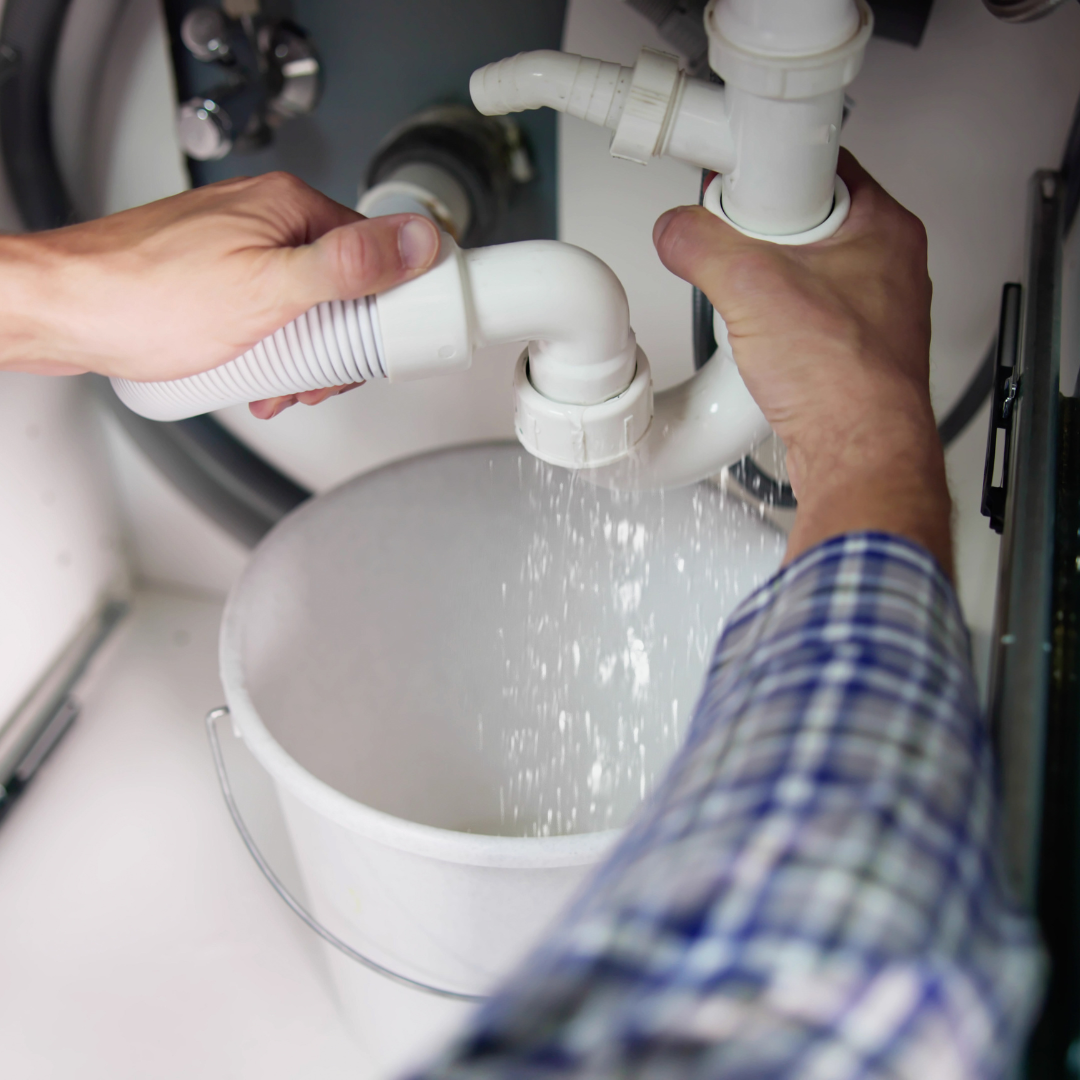
For most Buford and North Atlanta homes, the cost depends on job complexity. Simple jobs, like tracing a visible drip under a sink or at a fixture, sit at the lower end. Complex jobs, like locating a slab leak under a finished floor or tracing a pressurized water line through a wall, sit at the higher end.
Here is a general breakdown by detection type:
| Detection Method | Relative Cost | Best For |
|---|---|---|
| Visual inspection | Lower end; minimal equipment needed | Exposed pipes, fixtures, under-sink leaks |
| Acoustic / listening device | Mid-range; depends on scan area | Pressurized water lines, slab leaks |
| Thermal imaging (infrared) | Mid to higher end; specialized camera required | Leaks inside walls, ceilings, or floors |
| Video camera inspection | Depends on pipe length and access | Drain lines, sewer pipes, underground pipes |
| Tracer gas / dye testing | Higher end; specialized materials required | Pinhole leaks, pool lines, hard-to-trace pipes |
These are general cost descriptions, not quotes from Servant Plumbing of North Atlanta. Actual pricing varies by job complexity, travel, and equipment used. Always ask for a written estimate before work begins.
The biggest cost driver is how hidden the leak is. A dripping shutoff valve under a bathroom vanity takes minutes to find. A slow leak inside a concrete slab can take an hour of acoustic scanning to pinpoint. Several other factors also affect the final bill.
North Atlanta’s clay-heavy soil expands and contracts with seasonal rain and drought cycles. That ground movement puts stress on buried water lines and can cause slow leaks that go unnoticed for months. Homes in older Buford neighborhoods, particularly those built before 1990 with galvanized steel or polybutylene pipes, are more prone to pinhole leaks that are harder to locate without electronic equipment.
Standard business-hours calls are typically priced lower than urgent or after-hours requests. If your situation is not an emergency, scheduling during normal hours can keep costs down.
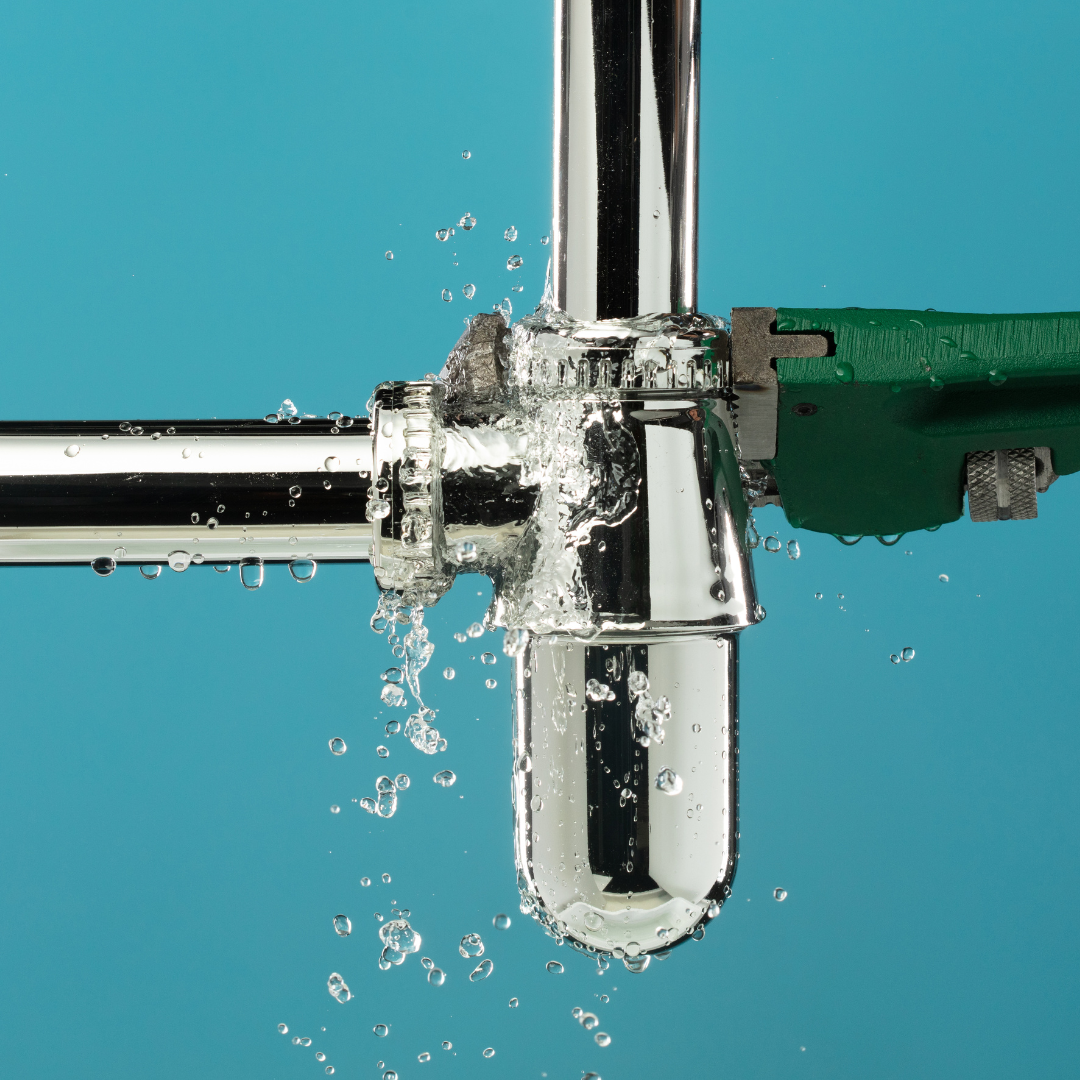
Modern leak detection does not always mean cutting open walls. Plumbers use a combination of pressure testing, listening equipment, and camera technology to narrow down a leak’s location before any demolition happens. Understanding the process helps you know what you are paying for.
For a detailed look at the specific tools and techniques plumbers use, read our post on How Do Plumbers Find Hidden Water Leaks in Walls?
A plumber isolates a section of pipe and pressurizes it. If pressure drops, there is a leak somewhere in that section. This narrows the search zone before any scanning begins.
Electronic listening devices pick up the sound of water escaping under pressure. The plumber moves the sensor along the floor or wall surface until the signal peaks, marking the likely leak location. This method works well for slab leaks and buried water mains.
An infrared camera shows temperature differences on surfaces. A wet area behind drywall reads differently than dry material. Thermal imaging is non-invasive and can cover a large wall area quickly, though it works best when there is an active, ongoing leak creating moisture.
A flexible camera is fed through a drain or cleanout to visually inspect the inside of a pipe. This is the most direct method for drain lines and sewer pipes, where acoustic tools are less effective because those lines are not pressurized. Our Camera Inspection Services page explains what that process looks like in more detail.
Finding the leak precisely before cutting into anything is what separates a targeted detection job from a repair that spirals out of control.
Yes, almost always. The leak detection fee covers the diagnostic work: finding where the leak is and confirming its source. Repairing the pipe, fitting, or fixture is a separate scope of work with its own pricing. Think of it like a doctor’s visit: the exam fee is not the same as the cost of the prescription.
Once the leak is located, your plumber should be able to give you a repair estimate. Common repairs that follow a detection job include:
If the detection reveals a damaged underground supply line, that repair is a larger project. Our Water Line Repairs page covers what that process involves for Buford and North Atlanta homes.
Hidden leaks can go undetected for months, causing mold growth, structural damage, and inflated water bills. Georgia’s humid summers make moisture problems worse because ambient humidity can mask early signs of a leak. Watch for these indicators:
The U.S. EPA’s WaterSense program estimates that household leaks waste nearly 1 trillion gallons of water nationally each year, and that a single dripping faucet or running toilet can waste thousands of gallons annually. Catching a hidden leak early is both a cost-saving and environmental issue.
For obvious, accessible leaks (a dripping faucet, a visible pipe joint weeping under a sink), a homeowner can often confirm the source themselves. But for anything inside a wall, under a slab, or along a buried water line, DIY detection usually wastes time and can lead to unnecessary drywall cuts or digging.
A few things you can safely check before calling a plumber:
If those checks do not reveal the source, it is time to call a plumber with detection equipment.
Getting a clear picture upfront saves surprises on the invoice. Before you book, ask:
Asking these questions upfront is standard practice and any reputable plumber will answer them without hesitation.
If you suspect a hidden leak in your home, the sooner you get it located, the less damage it can do. Servant Plumbing of North Atlanta serves Buford and the surrounding North Atlanta area with plumbing leak detection and repair services. Call (470) 573-6944 to describe what you are seeing and schedule a visit.
The cost depends on the detection method and how accessible the leak is. Simple visual inspections on exposed pipes cost less, while slab leak detection or jobs requiring thermal imaging or tracer gas cost more because of the specialized equipment and extra time involved. Ask for a written estimate before work begins.
No. Leak detection is a diagnostic service that covers locating the source of the leak. The repair is a separate scope of work with its own cost. Once the leak is found, your plumber should provide a written repair estimate before any work begins.
A straightforward detection job on an accessible pipe can take 30 to 60 minutes. A slab leak or a leak inside finished walls may take 2 to 3 hours, especially if the plumber needs to use acoustic scanning or thermal imaging across a larger area of the home.
Yes, in most cases. Acoustic listening devices, thermal imaging cameras, and pressure testing allow plumbers to pinpoint a leak’s location without opening walls. Once the exact spot is confirmed, any necessary access cut is much smaller and more targeted than a blind search would require.
A slab leak is a leak in a water or drain pipe that runs beneath a concrete foundation. Because the pipe is buried under concrete, plumbers need electronic acoustic equipment to locate it without breaking up the slab. That specialized equipment and extra time make slab leak detection more expensive than a standard above-ground inspection.
The most reliable early sign is a water bill that spikes without a change in usage. Other signs include a water meter that moves when all fixtures are off, soft spots or discoloration on floors and walls, a musty smell, or the sound of running water when nothing is turned on. Gwinnett County Water and Sewer customers can monitor usage history online to spot unusual patterns.
Some homeowner’s insurance policies cover sudden and accidental water damage, and a few will reimburse leak detection costs if the leak caused covered damage. Policies vary widely, so check your specific coverage and ask your insurer before assuming detection or repair will be covered. Slow, long-term leaks from deferred maintenance are typically excluded.
Once the plumber pinpoints the leak, they will explain the repair options and provide an estimate. Depending on the location, the fix might be a simple pipe fitting replacement, a section re-pipe, or for a buried water line, a more involved water line repair. You decide whether to proceed before any repair work starts.