
A water heater not producing hot water is almost always caused by one of seven problems: a tripped circuit breaker or extinguished pilot light, a failed heating element or thermostat, sediment buildup, a faulty dip tube, an undersized unit, or a broken gas valve. Most of these can be diagnosed in under 10 minutes, and several can be fixed without a service call.
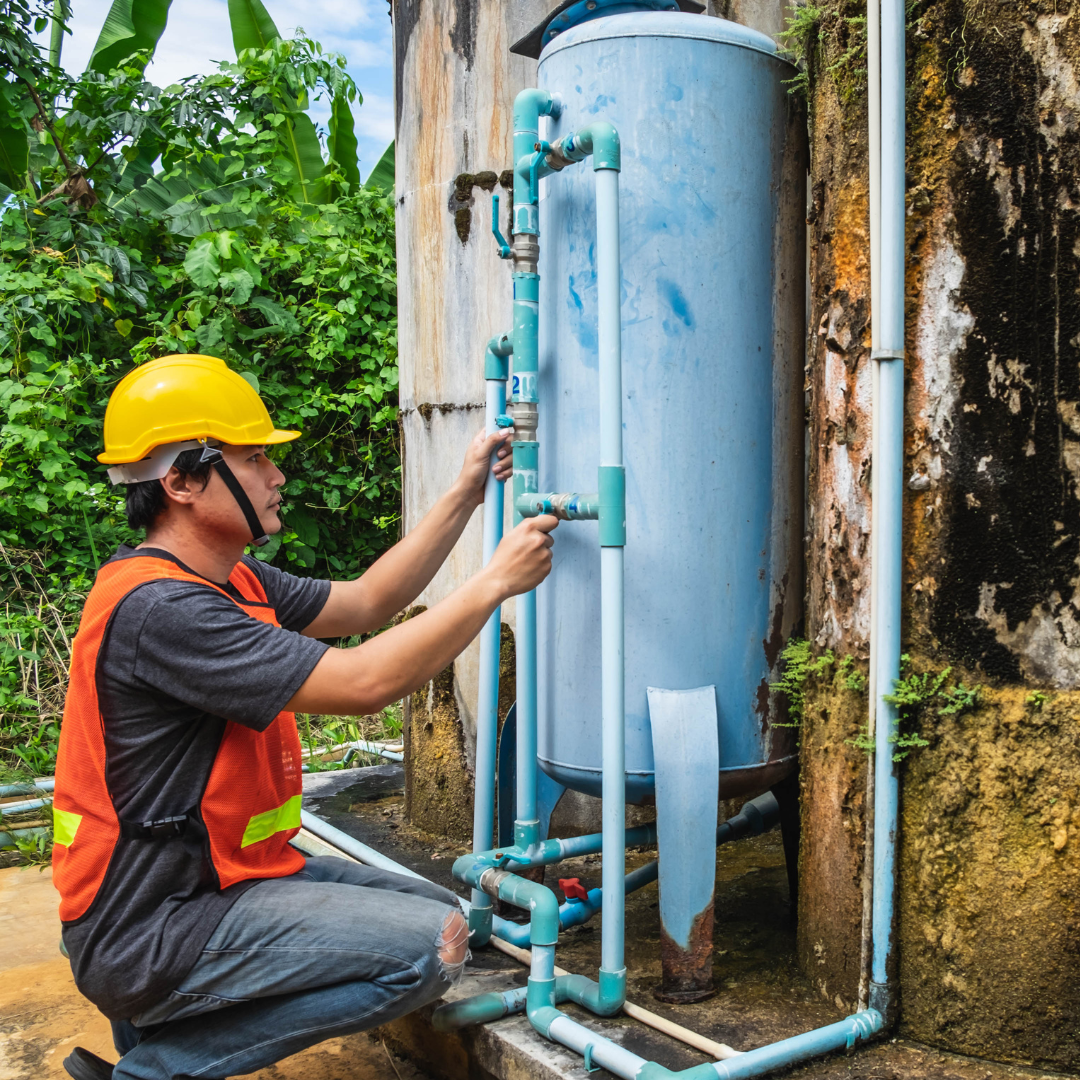
The seven causes below cover the vast majority of no-hot-water calls in Buford, GA and the surrounding North Atlanta area. Work through them in order from easiest to check to most involved.
Electric water heaters run on a dedicated 240-volt double-pole breaker. A power surge, a short in the heating element, or a simple overload can trip it. The heater goes completely cold with no other warning sign.
On older gas water heaters with a standing pilot, the small flame can be blown out by a draft, a gas interruption, or a dirty thermocouple. No pilot means no burner, which means no hot water.
Electric tank water heaters have two heating elements: an upper and a lower. When the upper element fails, you get no hot water. When the lower element fails, you get a small amount of hot water that runs out quickly. Either way, the fix is an element replacement.
The thermostat tells the heating element or burner when to fire. If it is set below the water temperature already in the tank, the heater simply will not turn on. If it has failed, the heater may not fire at all even when the water is cold.
This is the big one in Buford and across Gwinnett County. North Atlanta’s water supply carries moderate mineral hardness, and over time calcium and magnesium deposits settle at the bottom of the tank. A thick layer of sediment insulates the water from the burner or lower heating element, dramatically cutting efficiency and hot water output.
Sediment buildup is the silent killer of water heaters in North Atlanta. A tank that rumbles, pops, or delivers lukewarm water is usually telling you it needs a flush, not a replacement.
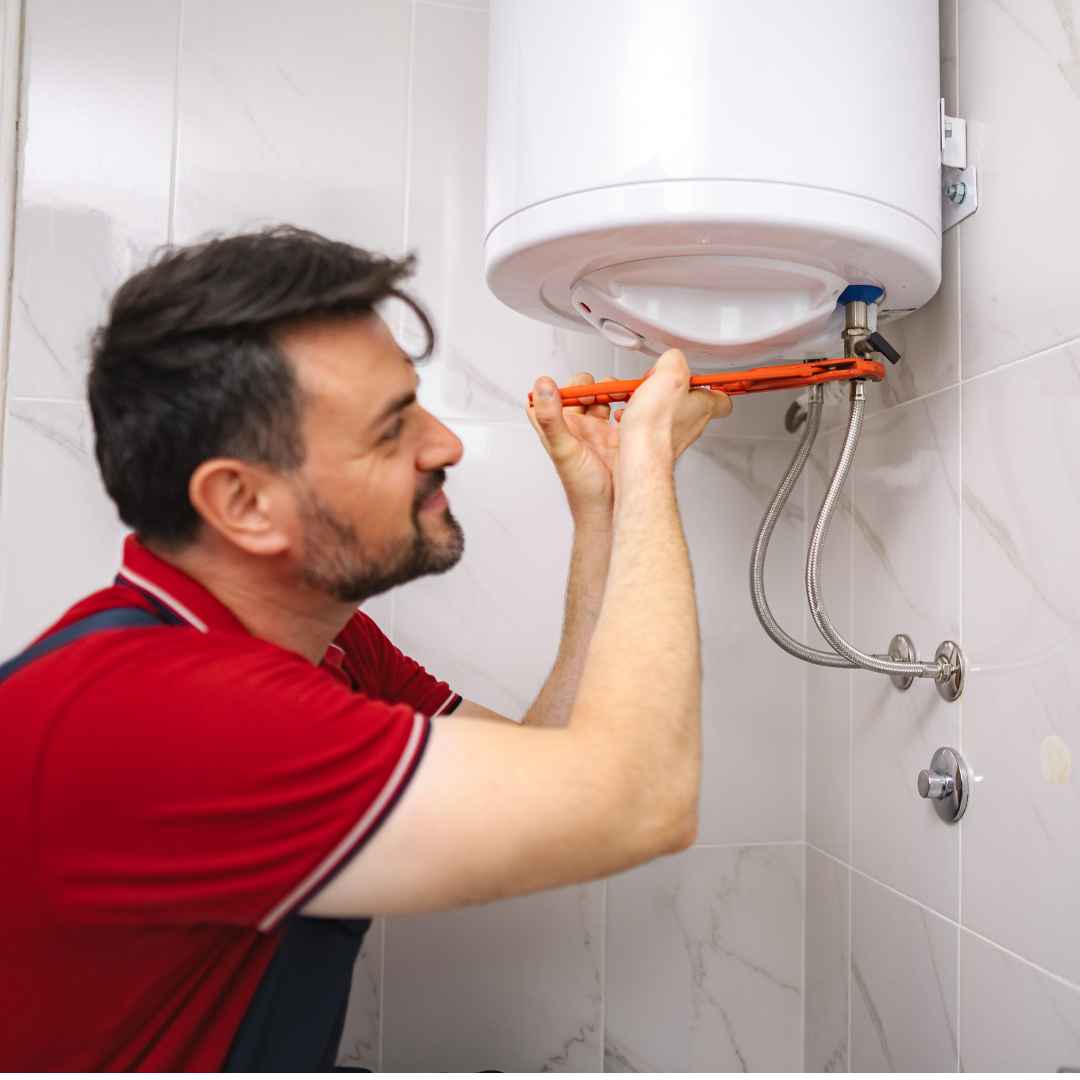
The dip tube is a plastic pipe inside the tank that routes cold incoming water to the bottom, where it gets heated. When it breaks or degrades, cold water mixes directly with the hot water at the top of the tank. You end up with a full tank of lukewarm water no matter how long you wait.
Sometimes the heater is working perfectly, but it is simply too small for the demand placed on it. This is common in Buford and Suwanee neighborhoods where families have grown, or where a home addition added a bathroom without upgrading the water heater.
Tankless water heaters fail differently than tank-style units. The most common causes of no hot water from a tankless unit are a blocked flow sensor, scale buildup on the heat exchanger, a tripped high-limit switch, or an error code triggered by venting or gas pressure issues.
A single failed part on a relatively new unit almost always makes repair the right call. But several factors push the decision toward replacement, especially for older units in the Buford area.
| Factor | Lean Toward Repair | Lean Toward Replacement |
|---|---|---|
| Unit age | Under 8 years old | 10 years or older |
| Type of failure | Single component (element, thermostat, pilot) | Multiple failures or tank corrosion |
| Repair cost vs replacement cost | Repair is less than 50% of new unit cost | Repair approaches or exceeds new unit cost |
| Rust or sediment in water | No discoloration | Rusty or brown water from hot taps |
| Visible tank leaks | No leaks | Any leak from the tank body itself |
For a deeper look at the numbers, see our post on Water Heater Replacement Cost in Georgia: Tank vs Tankless Breakdown.
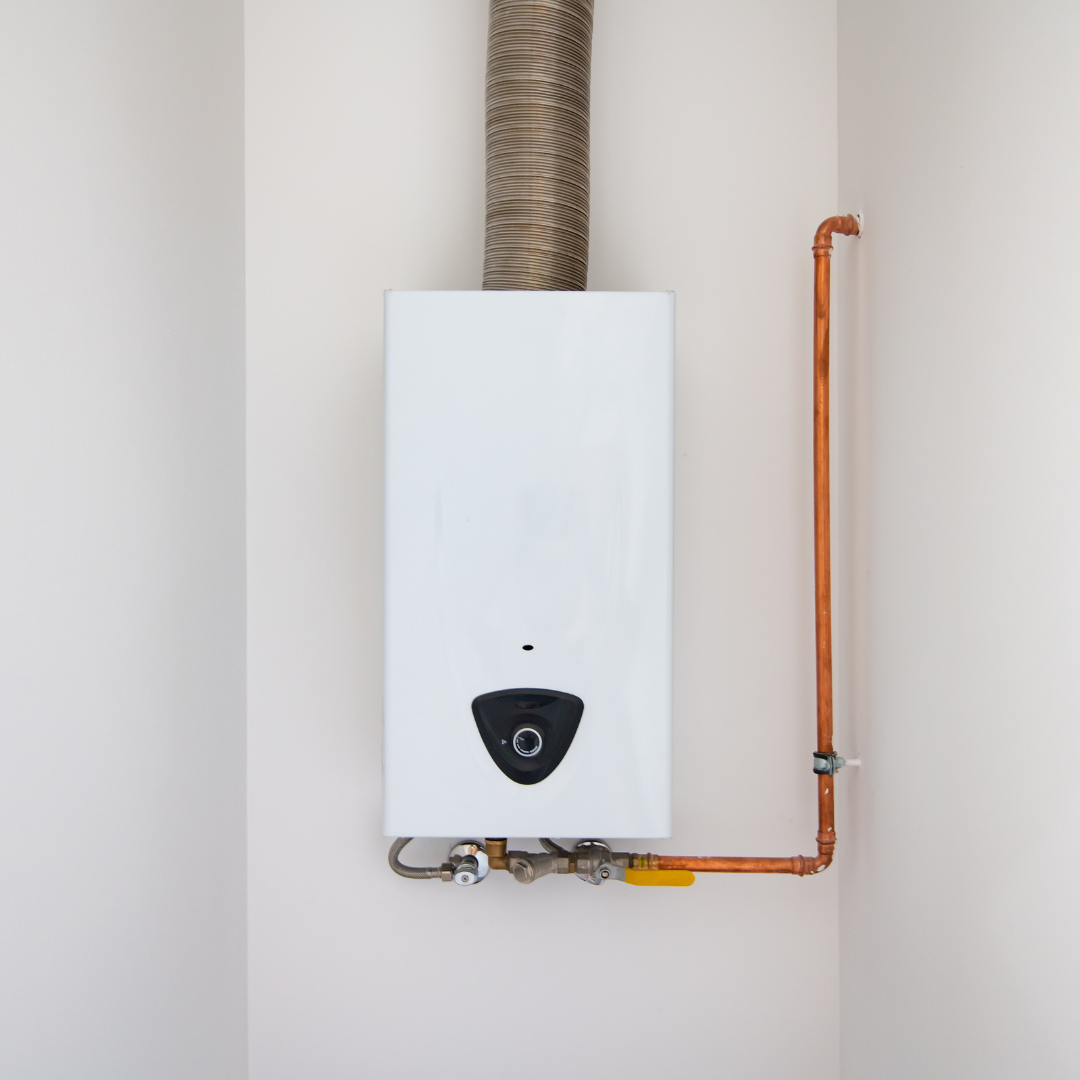
Run through this list before calling a plumber. You may save yourself a service call.
If you have worked through this list and still have no hot water, the problem is most likely a failed component that needs a professional diagnosis. Servant Plumbing of North Atlanta handles water heater repair and tankless water heater service throughout Buford, Suwanee, Dacula, and the surrounding area. Check our our full service area to confirm we serve your neighborhood.
Running out of hot water quickly usually means the lower heating element has failed, sediment has built up at the bottom of the tank, or the unit is undersized for your household. A 40-gallon tank typically serves 2 to 3 people. If demand has grown, a larger tank or a tankless upgrade may be the right fix.
After relighting the pilot on a gas water heater, expect to wait 30 to 45 minutes for a 40-gallon tank to fully reheat. A 50-gallon tank may take up to an hour. Electric units typically take 60 to 90 minutes to recover from a completely cold start.
Yes. On electric units, locate the red reset button on the upper thermostat behind the access panel and press it firmly until you hear a click. On gas units, follow the relighting procedure on the heater’s label. If the unit trips or goes out again within a short time, stop and call a plumber, because repeated resets can be a safety risk.
A water heater that simply stops producing hot water is not usually an immediate safety hazard. However, a gas water heater with a strong smell of gas near the unit is a different situation entirely. Leave the home, avoid using any switches or flames, and call your gas utility from outside. The U.S. Consumer Product Safety Commission recommends treating any gas odor as an emergency.
Repair costs vary by the part involved. A thermocouple replacement is generally in the $100 to $200 range including labor. A heating element swap runs roughly $150 to $300. A full thermostat replacement can run $150 to $350. These are general market ranges, not quoted prices from any specific contractor.
At 12 years, most tank water heaters are near or past the end of their expected service life of 8 to 12 years. If the repair cost is more than 40 to 50 percent of a new unit’s installed price, replacement usually makes more financial sense. A new unit also comes with a fresh warranty and better energy efficiency. See our full breakdown at Water Heater Repair vs Replacement: How to Know Which You Need.
The most common causes are a flow rate below the unit’s minimum activation threshold (often 0.5 GPM), scale buildup on the heat exchanger, a blocked venting pipe, or a triggered error code. Check the display for a fault code first, then inspect the inlet filter screen for debris. Annual descaling is the best prevention in hard-water areas like Gwinnett County.
Yes. In Buford and most Gwinnett County jurisdictions, a permit is required for water heater replacement. The permit process ensures the installation meets local plumbing and gas codes. Ask any plumber you hire whether they will pull the permit on your behalf, and confirm the work will be inspected. Skipping the permit can create issues with homeowner’s insurance and future home sales.
If you have worked through the checklist above and still have no hot water, it is time to bring in a professional. Servant Plumbing of North Atlanta provides water heater repair and water heater installation in Buford, GA and the surrounding communities. We also serve homeowners looking for a Plumber in Suwanee, GA and a Plumber in Dacula, GA. Call us at (470) 573-6944 to schedule a diagnostic visit.